
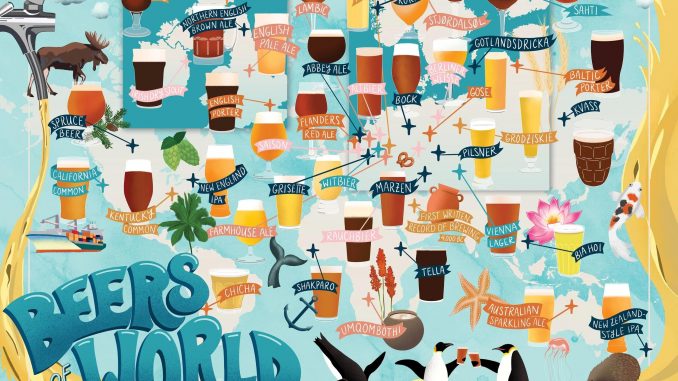
Beer may be enjoyed all over the world, but the way people brew, serve and celebrate it can be surprisingly different from one country to another.
In some places, beer is treated almost like a national treasure. In others, it comes with unusual serving rituals, special glasses, traditional festivals or brewing methods that have been passed down for generations.
And sometimes, the traditions are so unusual that visitors need a little explanation before ordering their first glass.
Let’s take a journey around the world and discover some of the most fascinating beer traditions.
1. Germany: Beer Is More Than Just a Drink
When people think about German beer culture, Oktoberfest is usually the first thing that comes to mind. But Germany’s relationship with beer goes far beyond one famous festival.
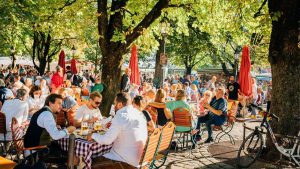
Beer gardens, known as Biergärten, are an important part of everyday social life, especially in Bavaria. Friends and families gather outdoors, often beneath chestnut trees, to enjoy food, conversation and a freshly poured beer.
One interesting tradition is that some traditional Bavarian beer gardens allow visitors to bring their own food. You can buy your beer there and bring along your own picnic.
Germany is also famous for its historic beer regulations. The Bavarian Beer Purity Law of 1516, known as the Reinheitsgebot, originally specified that beer should be made using only barley, hops and water. Yeast was included in later interpretations once its role in fermentation was understood.
Today, Germany has an enormous variety of regional beer styles, from wheat beers in Bavaria to Altbier in Düsseldorf.
The lesson? In Germany, beer culture is closely connected to local identity, food and community.
2. Belgium: A Different Glass for Almost Every Beer
Belgium is a dream destination for anyone interested in beer.
The country is famous for its extraordinary variety of brewing traditions, including Trappist ales, lambic, gueuze, fruit beers and strong Belgian ales.
But one detail that often surprises visitors is the importance of the glass.
Many Belgian beers are traditionally served in their own specially designed glasses. Some are tall and narrow, others are rounded, goblet-shaped or unusually wide.
This is not simply decoration. The shape of a glass can influence the aroma, foam and overall drinking experience.
Belgian beer culture is so important that UNESCO added it to its Representative List of the Intangible Cultural Heritage of Humanity in 2016.
Beer is part of everyday life, celebrations, food traditions and community gatherings.

In Belgium, choosing the right beer is only half the experience. Choosing the right glass matters too.
3. Czech Republic: The Land Where Beer Deserves Respect
The Czech Republic has one of Europe’s best-known beer cultures.
The city of Plzeň gave the world the famous Pilsner style in the nineteenth century, and Czech lager remains one of the country’s most recognisable contributions to brewing.
But the interesting part is how seriously beer is treated in everyday life.
Traditional pubs, known as hospody, are important meeting places. People gather after work, meet friends, talk about football or simply enjoy a beer.
Czech beer is also known for its foam. A well-poured beer is not necessarily expected to have as little foam as possible. Foam is considered part of the serving experience, and different pouring techniques can produce different proportions of beer and foam.
For visitors, this can be surprising. You might order a beer and receive a glass with a generous head of foam.
Don’t immediately assume the bartender has made a mistake!
4. Japan: Beer, Food and After-Work Gatherings
Japan has developed a distinctive beer culture that combines modern brewing with social traditions.
Beer is a popular choice at after-work gatherings, known as nomikai, where colleagues and friends meet to relax and socialise.
One familiar custom is to wait until everyone has received their drink before making a toast. The word kanpai is used when raising glasses together.
Beer also has a strong connection with Japanese food culture. It is commonly enjoyed alongside dishes such as yakitori, tempura and grilled seafood.
Japan is also known for its major breweries and a growing craft beer scene. Since changes to brewing regulations in 1994, smaller breweries have helped introduce more variety to the market.
What makes Japanese beer culture interesting is the combination of social etiquette, food and a willingness to explore different brewing styles.
5. United Kingdom: The Pub Is Part of the Tradition
In Britain, the pub is much more than a place to order a drink.
Traditional pubs have long served as neighbourhood meeting places where people catch up with friends, watch sports, play games and discuss almost everything.
One particularly interesting British tradition is the serving of cask ale. 
Unlike many modern beers served under pressure from kegs, traditional cask ale undergoes a final stage of conditioning in the cask. It is usually served using a hand pump and is typically less fizzy than many modern lagers.
For beer lovers, this offers a different drinking experience, with a softer carbonation and a strong connection to traditional pub culture.
Another familiar custom is buying a round. Instead of everyone ordering separately, one person buys drinks for the group, and the responsibility moves around the table.
It is a friendly tradition, although it can become an expensive one if you have a large group of friends!
6. Ireland: The Perfect Pint Is a Serious Business
Ireland has a beer tradition that is recognised around the world, especially because of its famous dry stout.
A properly poured pint of stout is treated almost like a small ceremony. The bartender takes time to pour it carefully, allowing the foam to settle before completing the glass.
The result is a distinctive creamy head and a smooth appearance.
Irish pubs are also famous for their atmosphere. Traditional music sessions, conversations and friendly gatherings have made the pub an important part of Irish social life.
For many visitors, experiencing a pint in a traditional Irish pub is just as memorable as visiting a historic landmark.
7. Czechia and Belgium Are Not the Only Ones: Beer Spas in Central Europe
Would you ever consider taking a bath in a beer-themed spa?
In parts of Central Europe, particularly the Czech Republic, beer spas have become a distinctive wellness attraction.
Visitors can enjoy warm baths prepared with ingredients associated with brewing, such as brewer’s yeast, malt and hops.
These experiences are not the same as bathing in finished beer, despite what the name might suggest.
They combine local brewing heritage with the region’s long-standing spa traditions.
For beer enthusiasts, it is certainly a different way to experience beer culture — although you might prefer to keep a fresh pint nearby rather than in the bathtub!
Beer Is a Universal Drink with Local Personality
From German beer gardens and Belgian glassware to Czech pubs, Japanese after-work gatherings and British cask ales, beer traditions reveal something interesting about the people and places behind them.
The ingredients may be similar, but the experience can be completely different.
That is one of the things that makes beer so fascinating. It is not just about malt, hops, yeast and water. It is also about history, identity, food, friendship and the small rituals that make each culture unique.
Now it’s your turn:
Which country’s beer tradition would you most like to experience?
And does your own country have an unusual beer custom that deserves to be mentioned?
Tell us in the comments. We’d love to hear about it!
Leave a Reply
You must be logged in to post a comment.